

Not too long ago Anduril was sort of shunned. The company was one of few in the valley building for the military and the business model itself seemed extremely risky.
Up until that point the way the military got its tech was different.
The military would make some specs and design requirements describing what they want, and assign a certain amount of money they are willing to pay for it
A few large incumbent companies would compete for this contract by presenting designs, timeliness, ideas
One of these companies would be selected by the military, they would be paid the predefined amount, and would deliver the equipment to the military
This model has many, many issues with it.
It’s very expensive for the military, in other markets companies compete to bring prices down, but in defense these companies just competed for contracts
These incumbent defense companies can’t attract top talent and aren’t software first (big tech which does have both of these isn’t interested in defense)
This is where Anduril comes in, their business model is completely different. Instead of trying to win a contract, they build things before the government even awards them the contract, taking all the risk on themselves. Once they have made the actual tech, then the military can choose to buy this.
Specifically what anduril builds is a variety of drones, fighter jets, submarines, etc. All of these plug into a software called LatticeOS which is an ai native platform to analyze all this data and coordinate all the hardware.
Their thesis is that as their product catalog increases, latticeOS becomes more and more powerful.
The economics of Anduril
So far Anduril’s Thesis has been performing extremely well, the company has been awarded many contracts, and they’ve been shooting up the setter 30.
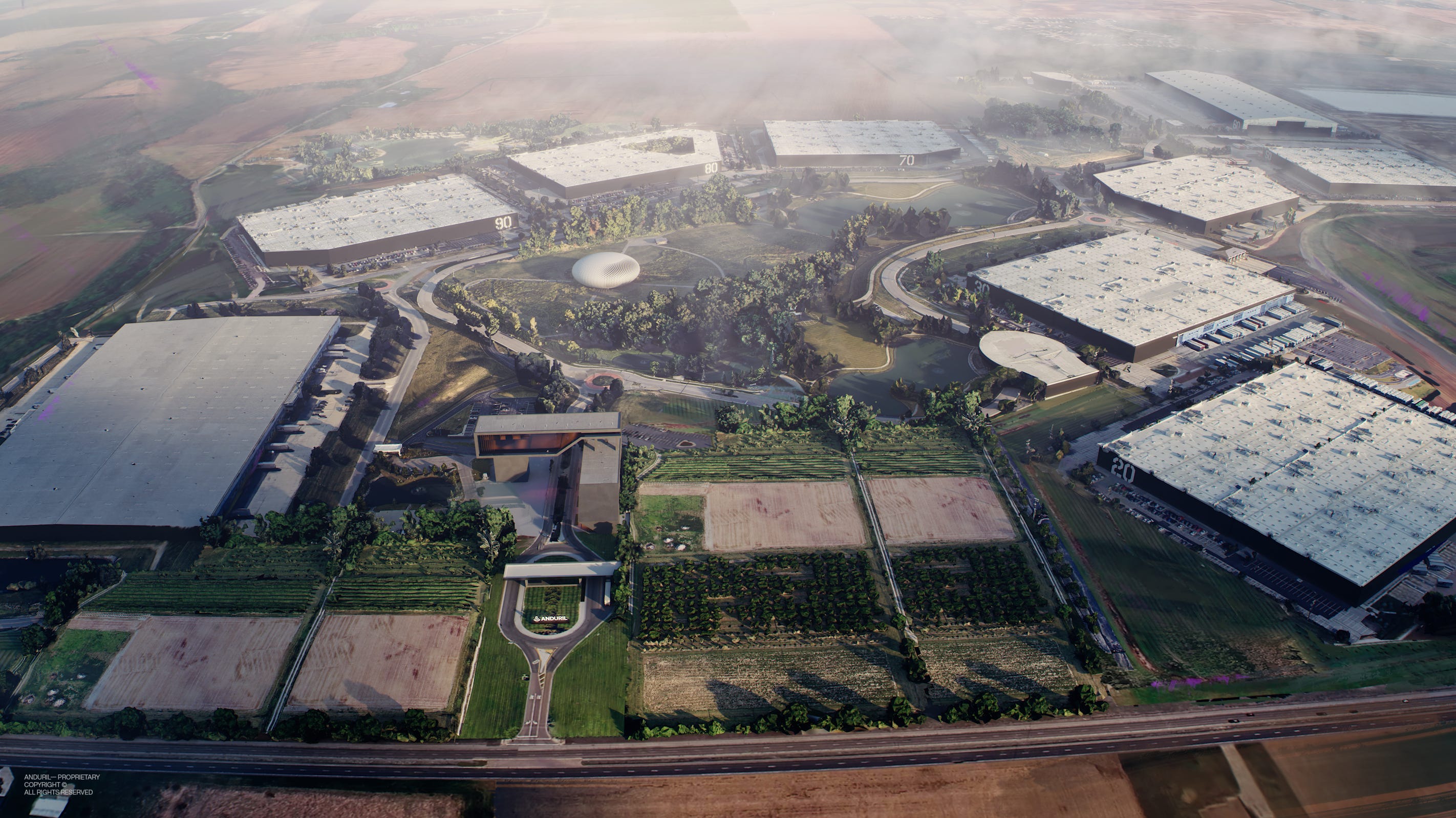
In addition, LatticeOS has reportedly been performing extremely well, and on the hardware side Anduril has a massive factory called Arsenal-1 in Ohio.
The thing is, in order to see Anduril’s future we have to look past the current economics, and pay more attention to their acquisitions.
The future of Anduril
I said earlier that before Anduril basically all defense contracts were given to the same 5 companies, the truth is that hasn’t changed that much, while it is easier, the truth is its practically impossible for a tiny startup to get a contract.
But this introduces a paradox. The military needs innovative equipment (which startups. Are great at making, and incumbents aren’t) but they also need that equipment to be reliable and durable (incumbents are good at this, startups are bad).
So we clearly need a bridge, or an interface between these startups and the military. And this is what Anduril is, the strategy that Anduril has taken up, and that they will accelerate in the future has three steps.
Identify innovative defense tech startups
Acquire those startups
Polish and refine the tech, and then use the trust DoD has in Anduril to win a contract
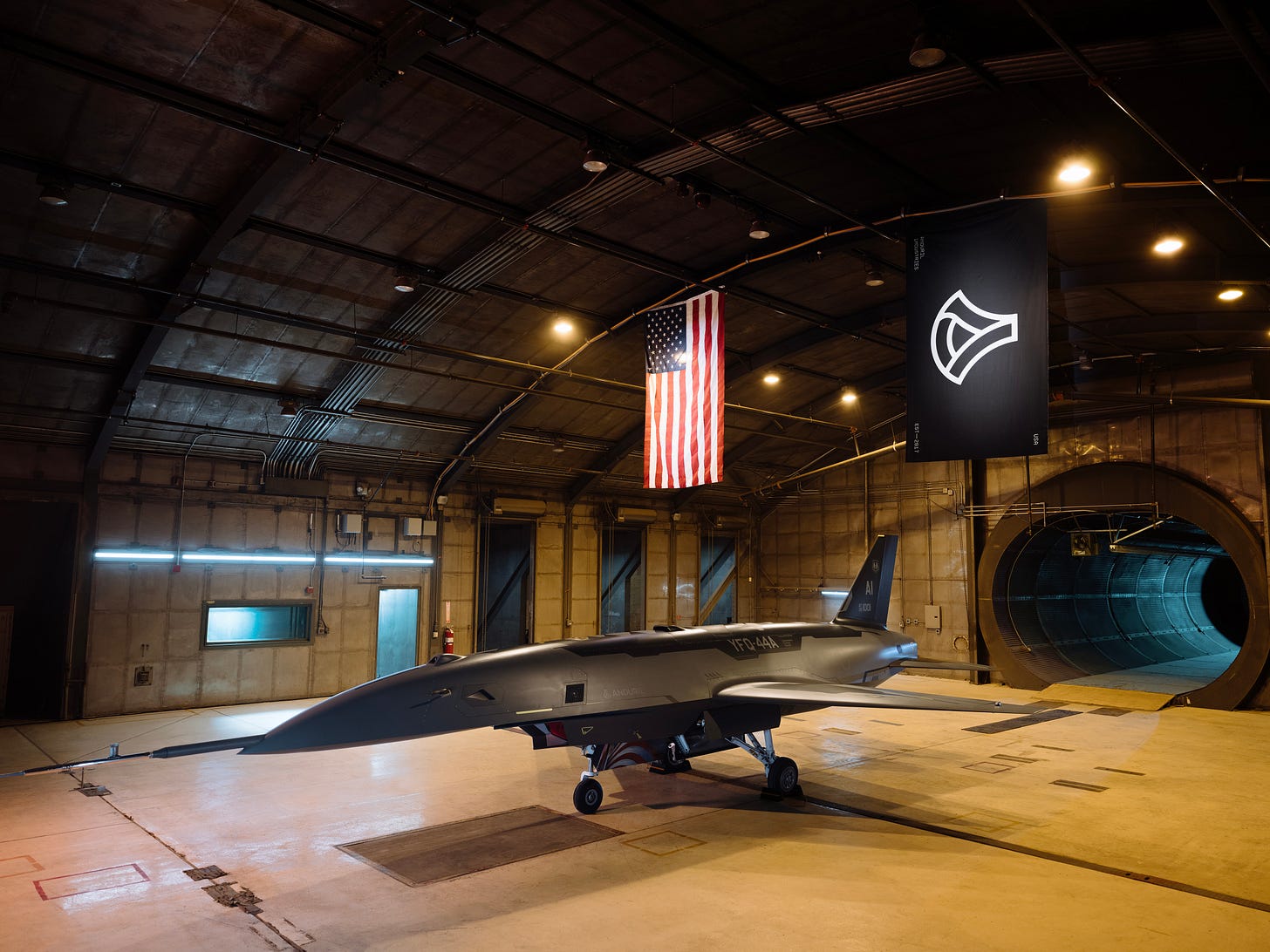
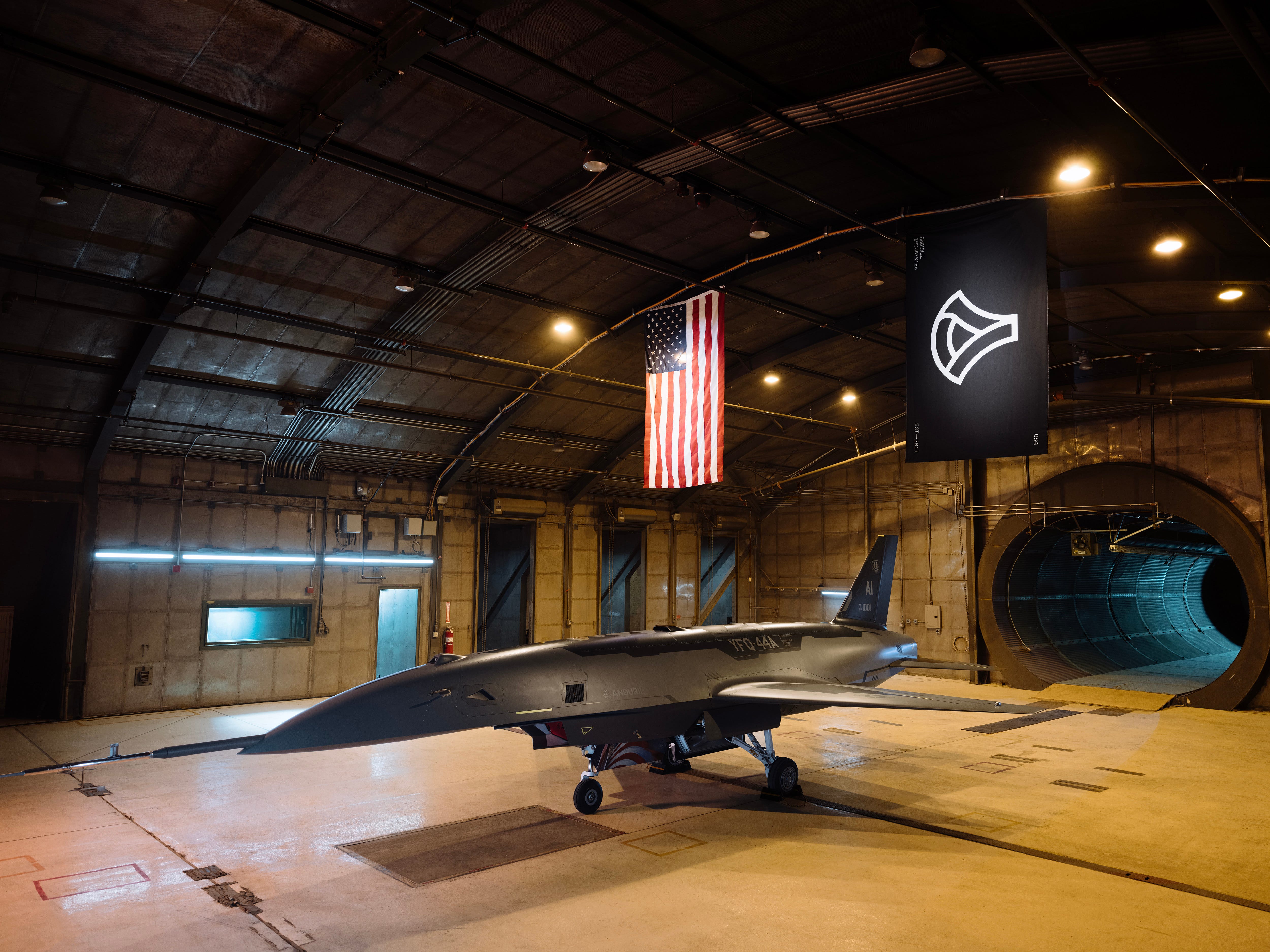
Here is a list of examples :
Area-I (April 2021): ALTIUS - Agile-Launched, Tactically Integrated Unmanned System
Copious Imaging (September 2021): WISP - Wide-Area Infrared Sensing with Persistence Sensor
Dive Technologies (February 2022): Dive-LD - Autonomous Underwater Vehicle (AUV)
Adranos Energetics (June 2023): Solid Rocket Motors
Blue Force Technologies (September 2023): Fury - Group 5 Autonomous Air Vehicle
(Credits to this list go to Packy McCormick at not boring)
This business model is insanely good, it creates a beautiful flywheel for Anduril.
Acquire company -> refine tech -> sell it -> gain trust -> make latticeOS more powerful by adding the new tech in -> repeat the cycle with the trust and latticeOS helping the next cycle become even faster and more profitable