
AI Scientists, Digital Reality Engines, and Retro Phones
A summary of interesting startup-related news this week

1. Anthropic Wants Claude to Become a Scientific Research Partner
Most AI products today are designed for writing, coding, and general knowledge work. Anthropic is now making a direct push into science.
This week, the company launched Claude Science, a specialized AI workbench designed to help researchers analyze papers, manage complex workflows, and accelerate scientific research. The product is part of Anthropic’s broader effort to bring AI deeper into life sciences and healthcare.

The larger signal is that AI companies are beginning to move beyond “productivity tools” and into domain-specific expertise. The biggest impact of AI may ultimately come not from helping people write emails, but from helping scientists discover new medicines, materials, and technologies faster.
For decades, scientific progress has been constrained by human bandwidth. If AI can meaningfully increase the rate of discovery, it could become one of the most economically important technologies ever built.
2. World Models Could Be the Next Big Leap in AI
Large language models are excellent at predicting text. The next challenge is teaching AI to understand reality itself.
Researchers are increasingly focused on “world models”—AI systems that build internal simulations of how the world works and can predict the consequences of actions before they happen. These models could help AI reason, plan, and interact with physical environments far more effectively than today’s systems.
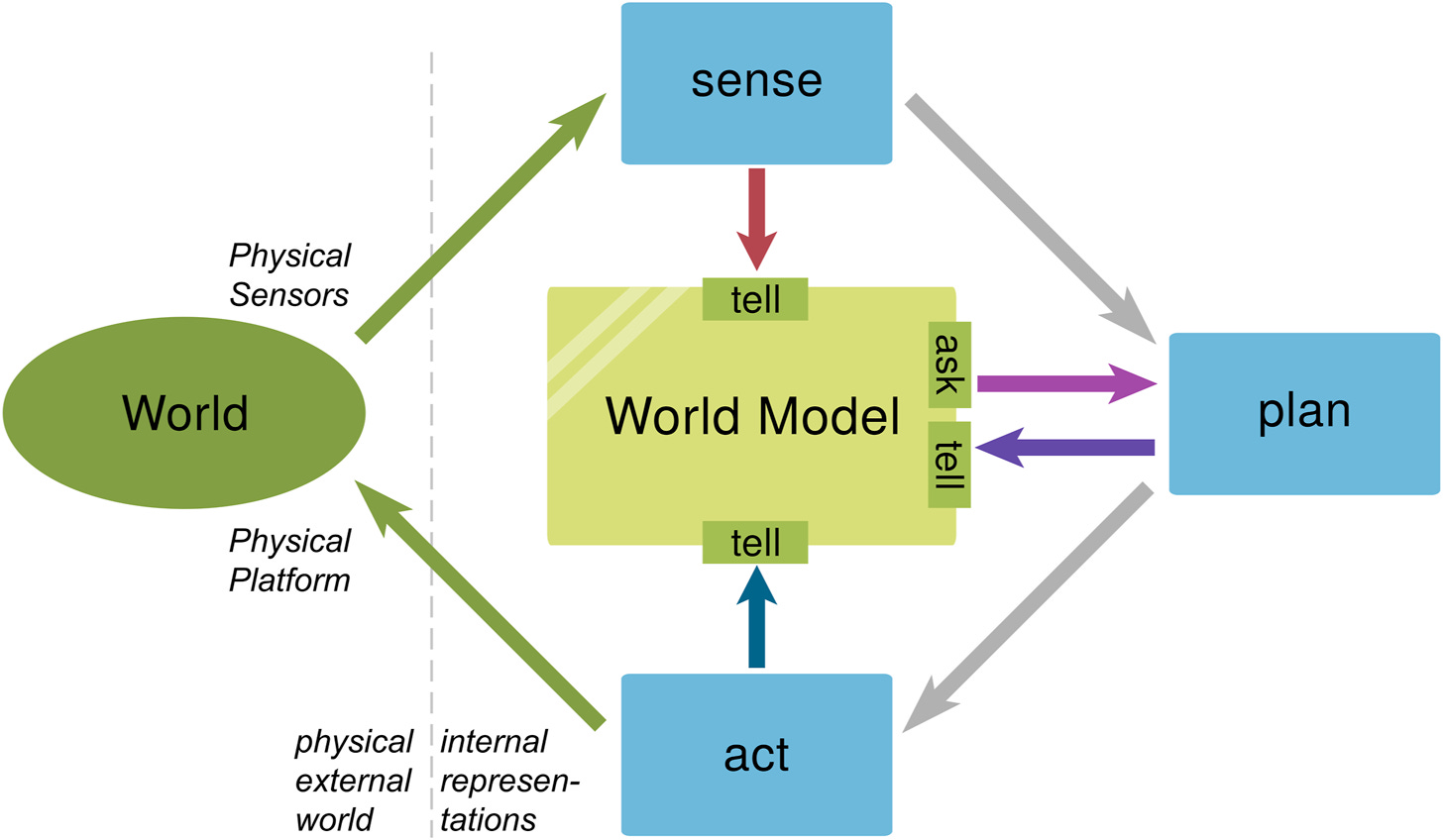
The significance goes beyond better chatbots. World models could become the foundation for autonomous robots, virtual testing environments, and AI agents capable of making long-term decisions.
Many researchers believe scaling language models alone won’t get us all the way to more general intelligence. If that’s true, world models may represent the beginning of AI’s next era: systems that don’t just describe the world, but understand it.
3. A Startup Is Betting People Want Their Keyboards Back
For over a decade, smartphone innovation has mostly meant bigger screens and more apps.
This week, Clicks showed off the final production version of its Communicator smartphone, a BlackBerry-inspired device that combines a physical keyboard with modern Android apps. The company plans to begin shipping the device later this year.
At first glance, this looks like nostalgia. But it may actually reflect something deeper: growing dissatisfaction with how modern devices compete for our attention.
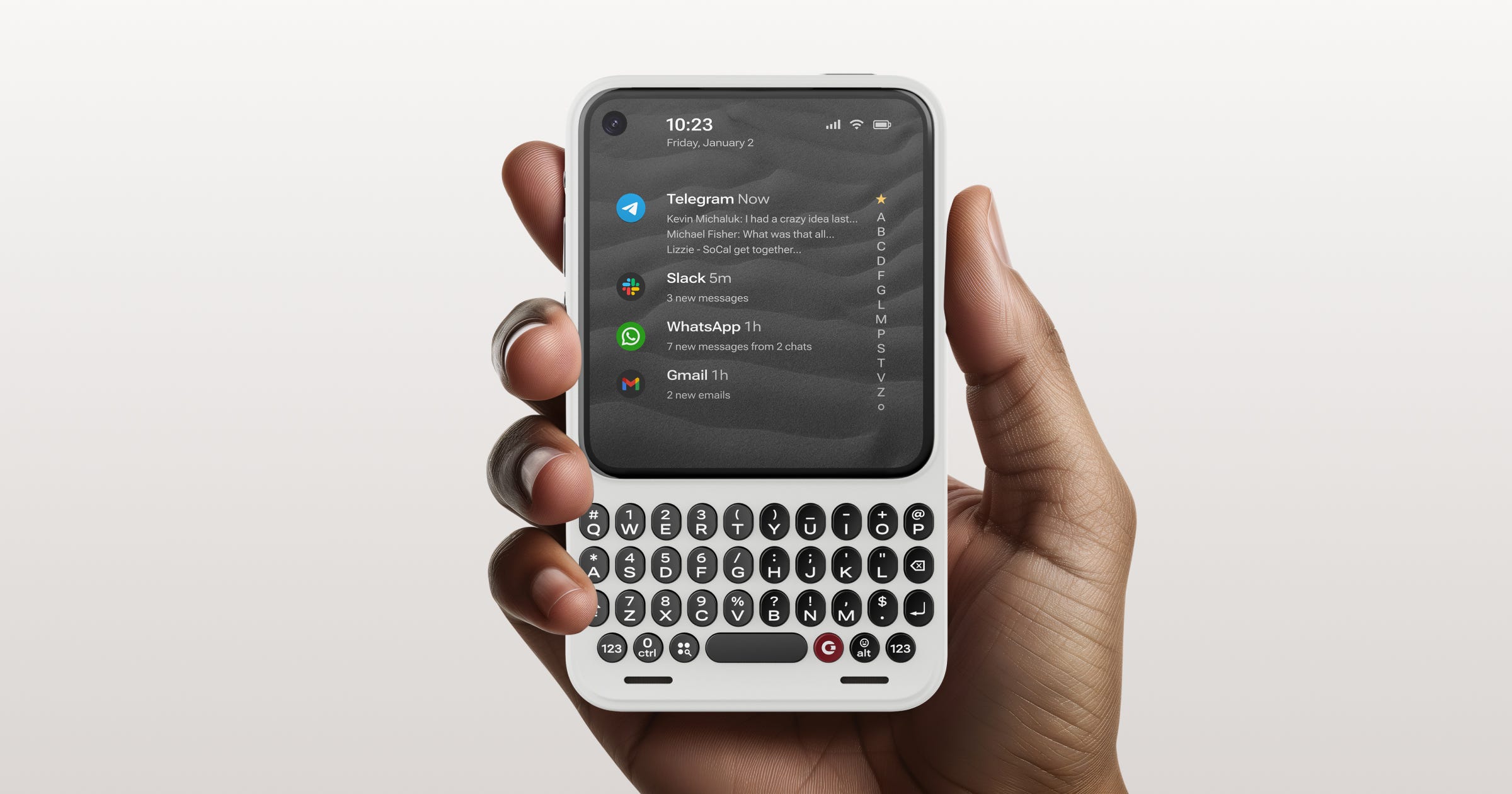
A new generation of hardware startups is exploring a different question—not how to maximize engagement, but how to help people focus. As smartphones become increasingly commoditized, some of the most interesting innovation may come from rethinking the user experience rather than adding more features.
4. Former DeepMind Researchers Are Turning Poker AI Into Investment Returns
Some of the most valuable AI companies may never become household names.
This week, TechCrunch profiled EquiLibre Technologies, a startup founded by three former DeepMind researchers who previously built AI systems capable of defeating elite human poker players. The company is now applying similar technology to financial markets and has reportedly reached a valuation of roughly $500 million.
The connection makes sense. Both poker and investing require making decisions with incomplete information, adapting to uncertainty, and constantly updating strategies as new data arrives.
The broader trend is that AI is beginning to move from generating content to making decisions. While consumer AI products capture most of the headlines, some of the largest economic opportunities may emerge in finance, logistics, scientific research, and other industries where better decisions directly translate into better outcomes.
Other links
New rounds


